

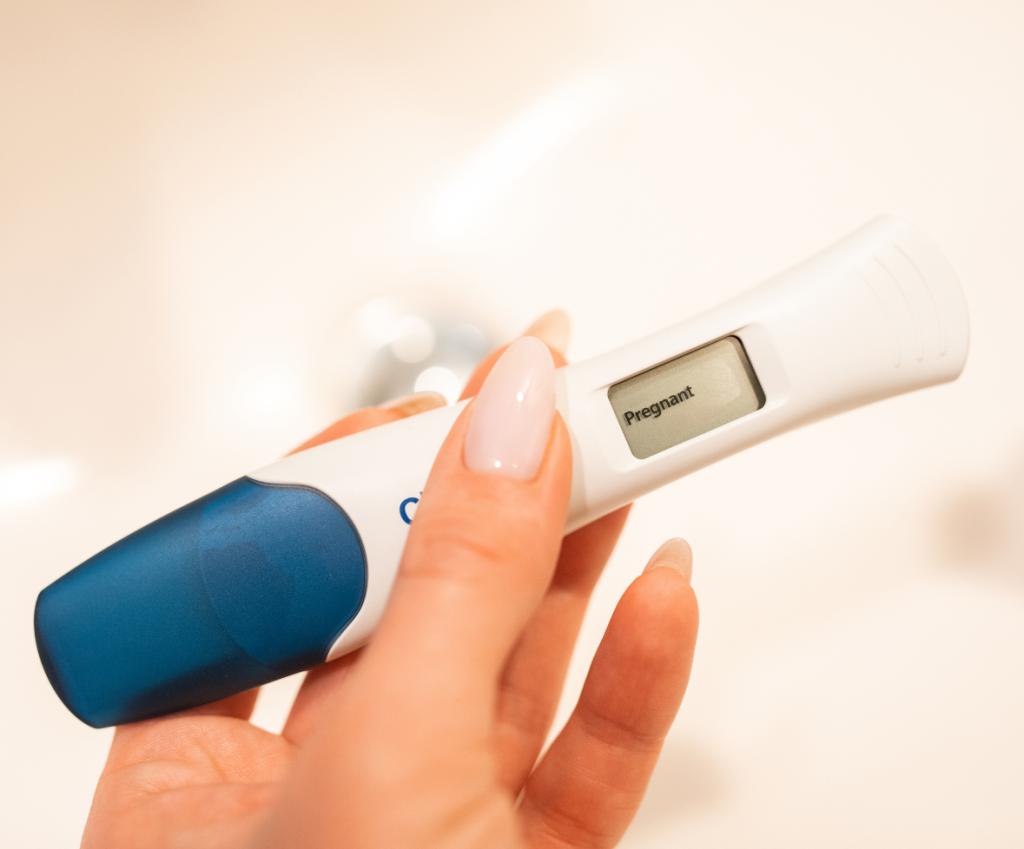
Understanding Early Signs and Pregnancy Tests
If you think you might be pregnant, waiting for answers can feel overwhelming. You may be wondering how soon you’ll start noticing symptoms or when you can take a pregnancy test that will give you accurate results. How early can you tell if you are pregnant? Let’s break down what to expect in the earliest days and weeks of pregnancy so you can feel informed and empowered.
When Do Early Pregnancy Symptoms Start?
While every woman’s body is different, some people notice early pregnancy symptoms as soon as 1–2 weeks after conception, which is around the time the fertilized egg implants in the uterus. Others may not notice any changes until they miss a period.
Some early signs of pregnancy can include:
- Mild cramping or spotting (implantation bleeding) about 6–12 days after conception
- Breast tenderness or swelling
- Increased fatigue
- Frequent urination
- Nausea or food aversions
- Mood swings
Keep in mind, these symptoms can also be caused by hormonal changes related to your menstrual cycle, stress, or illness. That’s why taking a pregnancy test is the most reliable first step toward confirmation.
How Soon Can You Take a Pregnancy Test?
Most at-home pregnancy tests work by detecting human chorionic gonadotropin (hCG), a hormone your body starts producing shortly after implantation.
- Early Response Tests: Some pregnancy tests are sensitive enough to detect hCG up to 6 days before your missed period (about 8–10 days after conception). However, testing this early increases the chance of a false negative because hCG levels may not be high enough yet to detect reliably.
- Most Accurate Timing: For the most accurate results, it’s best to wait until the first day of your missed period or later. At that point, most tests will be about 99% accurate if used correctly.
- Blood Tests: A blood test at your healthcare provider’s office can detect pregnancy even earlier—about 6–8 days after ovulation—and can measure the exact amount of hCG in your blood.
Tips for Testing Early
If you decide to take an early pregnancy test:
- Use your first morning urine, which has the highest concentration of hCG.
- Read and follow the instructions carefully.
- If you get a negative result but still suspect you’re pregnant, wait a few days and test again.
When to Call a Healthcare Provider
If you have a positive test or have questions about your symptoms, consider scheduling an appointment with a Pregnancy Care Center. We can confirm your pregnancy with a free ultrasound and help you plan your next steps.
The Bottom Line
While some women begin to notice early pregnancy signs within a couple of weeks, the most reliable way to know is to take a pregnancy test after a missed period. If you think you might be pregnant, you don’t have to face the uncertainty alone—trusted health professionals and pregnancy centers are here to help you get answers and support.